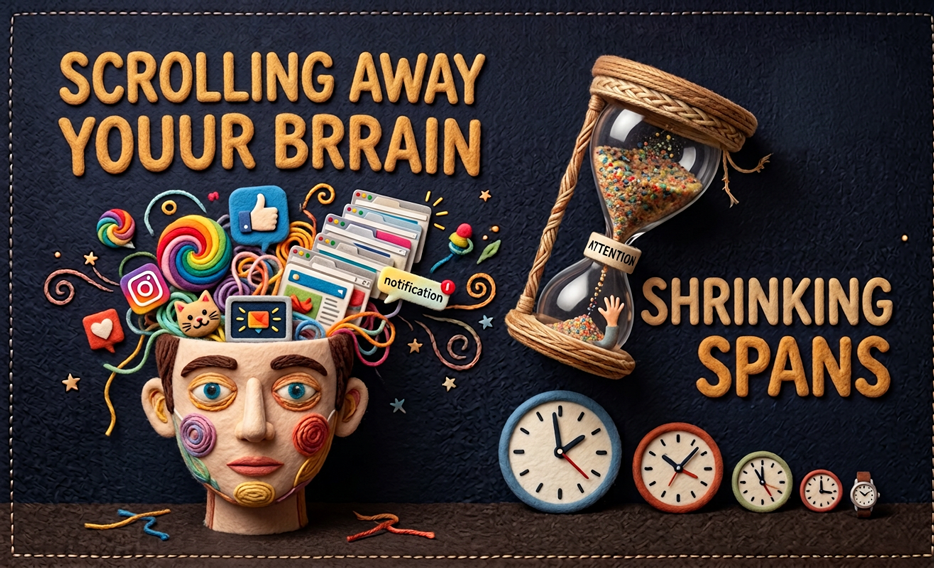
The era of AI Fatigue
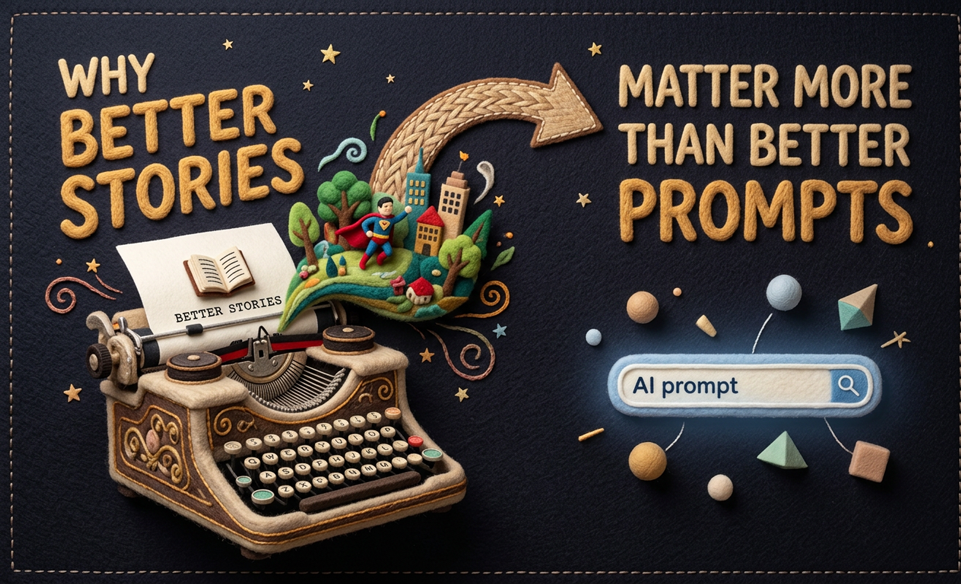
Why Better Stories Matter More Than Better Prompts
For a brief moment, generative AI felt like pure magic. A few keystrokes could conjure a cinematic landscape, and a rough concept could instantly become a polished campaign. Creatives, agencies, and brands rushed to embrace this frictionless new frontier, and rightly so.
AI successfully dismantled the technical barriers that historically slowed down the creative process. However, now that the initial novelty has worn off, we are left with a fascinating cultural byproduct: an internet flooded with hyper-real, visually stunning content that is ultimately emotionally hollow.
When anyone can produce beautiful work, visual execution ceases to be a differentiator. The value has shifted away from rendering and toward reasoning; away from prompting and toward storytelling.
The Paradox of Effortless Execution
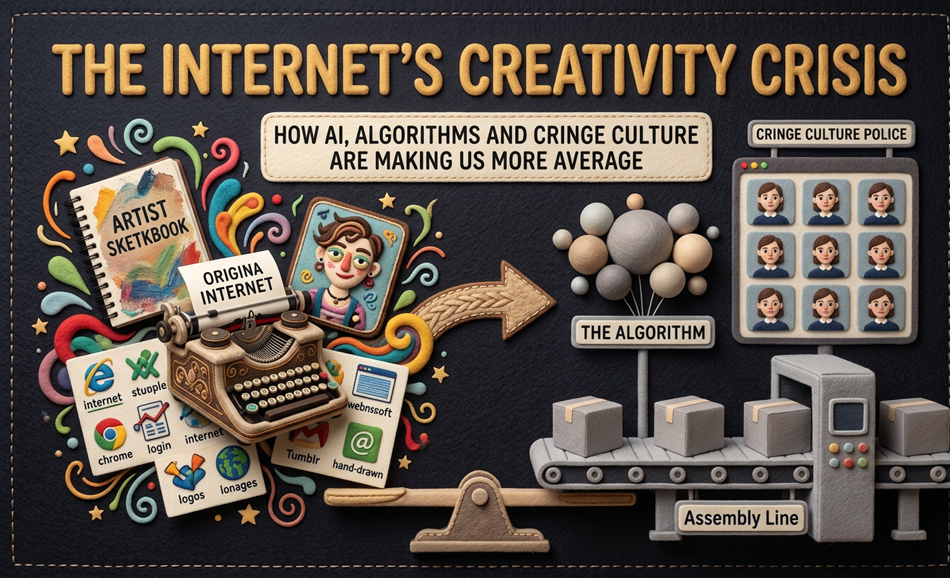
Not long ago, producing high-end visual assets required specialized expertise, expensive tools, and significant time. Today, anyone can generate a polished image in seconds. But when everyone uses the same tools, a distinct visual homogeneity emerges. We see the same lighting, the same compositions, and the same algorithmic aesthetics repeated across platforms.
The result isn't a renaissance of originality. It is simply a massive spike in volume. Gartner research highlights this fatigue, noting that nearly half of consumers believe generative AI has lowered the quality of online content. More content does not automatically mean more value.
The Trust Deficit: Looking for Something Real
While average consumers might not always identify AI-generated content technically, they can easily sense when something feels generic.
This skepticism is not a rejection of the technology itself. Rather, it reflects a growing demand for authenticity. Consumers increasingly question whether what they see reflects genuine human intent or merely algorithmic efficiency.
Key Takeaway: Trust has never been built on perfect pixels. It is built on shared cultural truths, honest messages, and stories that resonate. No amount of digital polish can manufacture meaning.
Speed Is Not Strategy
AI's greatest strength is its velocity. Prototyping ideas and moodboarding now take minutes instead of days, allowing for unprecedented creative exploration.
However, speed and creativity are not synonymous. A campaign does not become memorable because it was built quickly. It becomes memorable because it taps into a genuine human insight. It succeeds because someone identified a cultural tension that others missed.
Technology can accelerate production, but it cannot automate empathy. The work we remember succeeds because of how it makes us feel, not because of how quickly it was rendered.
The Fallacy of the Perfect Prompt
Somewhere along the way, the creative conversation shifted from ideas to instructions. We became obsessed with prompt libraries, marketplace hacks, and engineering tutorials.
But prompting is a tool, not the destination.
Believing that prompting is the core of creativity misses the point entirely. Creativity is the ability to understand people, culture, context, and emotion deeply enough to know what should be created in the first place. Prompting is a useful technical skill, but original thinking remains the true craft.
The Future Belongs to Human Direction
Using AI thoughtfully expands human imagination. It empowers small teams to build ambitious concepts, eliminates repetitive tasks, and democratizes experimentation. Used carelessly, however, it simply fills the digital world with disposable white noise.
The most successful creative teams of the future will not win because they use more AI than their competitors. They will win because they use it with greater clarity of purpose.
As execution becomes commoditized, human taste, strategy, and judgment become the ultimate competitive advantages.
Our Perspective
AI is one of the most powerful creative tools of our time. We embrace it, experiment with it, and continuously explore its potential. But we refuse to let technology replace the most critical element of communication: the core idea. We are not interested in producing endless streams of content simply because the software allows it. We are focused on creating stories that endure.
Because in the end, nobody falls in love with a prompt. They fall in love with an idea.
Source:
https://www.gartner.com/en/newsroom/press-releases/2026-06-09-gartner-survey-finds-49-of-u-s-consumers-say-genai-has-made-content-quality-worse
https://www.gartner.com/en/newsroom/press-releases/2026-03-16-gartner-marketing-survey-finds-50-percent-of-consumers-prefer-brands-that-avoid-using-genai-in-consumer-facing-content0
News